SAN JUAN, PUERTO RICO, October 20, 2026 /EINPresswire.com/ — As the cruise industry charts a course from roughly 37 million global passengers in 2025 to an anticipated 46 million by 2031, the Caribbean and Latin America are poised to capture a significant share of that wave. The region’s appeal rests on its unique attractions, robust tourism infrastructure, and established ties with cruise operators — a combination that promises growing economic rewards for local communities.
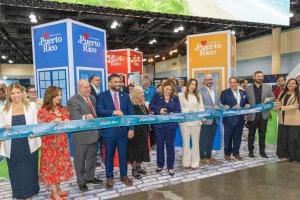
That was the takeaway from the 32nd annual Florida-Caribbean Cruise Association (FCCA) Cruise Conference & Trade Show, which unfolded Oct. 12-16 in San Juan, Puerto Rico. The event drew close to 700 cruise executives, government officials, port operators, tour providers and other stakeholders, all focused on enhancing tourism products and spreading the benefits of industry growth more widely.
“Destinations are at the heart of what makes cruising such a compelling vacation experience,” said Adam Ceserano, president of FCCA. “Today’s travelers want variety, authenticity and memorable experiences, and our destination partners are essential to delivering that. This conference demonstrated the tremendous opportunities that exist when cruise lines and destinations work together to create value for guests and local communities.”
The central role of destinations took center stage during the President & CEO Leadership Panel, which brought together leaders from Carnival Cruise Line, Margaritaville at Sea, MSC Cruises, Norwegian Cruise Line and Virgin Voyages. The panel zeroed in on where ships will be deployed, how passenger expectations are shifting, and why destination partnerships are vital to crafting itineraries that stand out. With a wealth of diverse attractions and mature tourism infrastructure, the region is well equipped for deeper collaboration as the industry expands.
A session titled “Building Your Port into an Unforgettable Experience” delved into how a traveler’s perception of a destination is formed long before they set foot on a beach or visit a landmark. Efficient terminals, friendly staff and easy access to local culture all leave lasting impressions. Presenters advocated for language training and customer service programs, as well as giving local artisans, restaurants and cultural performers a bigger role in the arrival experience — a move that broadens economic opportunities for residents while enriching the visitor’s welcome.
Homeporting emerged as another key avenue for amplifying tourism’s economic footprint. In the session “Homeporting: The Gateway to the Caribbean,” panelists discussed how hotels, transport providers, provisioning firms and other businesses can benefit when a destination is the launch or end point of a voyage. They stressed the need for smooth coordination among ports, airports, cruise lines and public agencies, alongside efficient handling of passengers and baggage.
Technology and innovation were also in the spotlight, with conversations covering immersive attractions, digital storytelling and AI-powered guidance for visitors. Another thread explored luxury cruise tourism, focusing on how bespoke local experiences, personalized attention and carefully crafted shore excursions can cater to high-end travelers aboard ships of every size.
An Oxford Economics presentation quantified cruise tourism’s impact, detailing contributions through visitor spending, job creation and the growth of local enterprises.
“The success of this year’s conference reflects the strength of our partnerships and the shared commitment to growing cruise tourism in ways that benefit destinations and their people,” said Michele Paige, CEO of FCCA. “We are especially grateful to Puerto Rico Gov. Jenniffer González Colón and the Puerto Rico Tourism Company for their tremendous partnership and hospitality in hosting this important gathering. Together, we are helping create a stronger, more prosperous future for cruise tourism throughout the region.”
Throughout the event, Puerto Rico’s music, food and cultural heritage were on display, from the opening ceremony to a series of receptions.
As cruise lines continue to enlarge their fleets and plot new routes, Caribbean and Latin American destinations have a chance to build on existing strengths — by strengthening local supply chains, enhancing the visitor experience and deepening ties with cruise partners. Those efforts can turn rising passenger numbers into tangible business gains for local operators and lasting economic advantages for their communities.
About Florida-Caribbean Cruise Association (FCCA)
Created in 1972, FCCA is a nonprofit trade organization representing the shared interests of the cruise industry and destinations’ private and public sectors. For more information, visit F-CCA.com and @FCCAupdates on Facebook, Instagram, LinkedIn and X
**Why it matters:** With cruise passenger numbers projected to surge by millions over the next half-decade, the partnerships and strategies forged at this conference will help determine whether Caribbean and Latin American communities capture lasting economic benefits — not just from ship visits, but from the local jobs, supply chains and cultural experiences that keep visitors coming back.
Bevan Springer
Marketplace Excellence
+1 201-861-2056
Also worth a look: Mitolyn, Built Around the Purple Peel Exploit, has been Launched, Designed to Enhance Mitochondrial Health & Manage Weight and Out Today: “My Favorite Things” by Award-winning Vocalist Nicole Henry.