When a small library fundraiser accidentally turned into a major community event, the organizers quickly learned that homegrown software couldn’t keep up with the demand. Fort Collins Comic Con’s story shows how the right technology can free up a team to focus on what really matters: serving artists, fans, and the local economy.
Since 2015, Fort Collins Comic Con has raised $155,000+ for youth literacy and mental health. They moved their event planning to Eventeny and saved 15-20 hours!
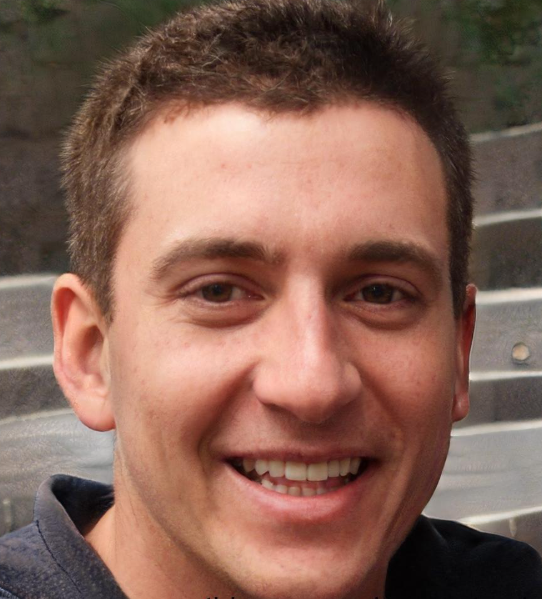
Never when we started this thing did we think, oh, this is going to be a road to artistic endeavors for some kids. But it absolutely is.”— Nick Armstrong, Executive Director, Howdy Neighbor Events
FORT COLLINS, CO, UNITED STATES, November 6, 2026 /EINPresswire.com/ — What began as a library fundraiser has grown into a beloved community institution that pumps hundreds of thousands of dollars back into the local economy each year.
Also worth a look: Eltropy CEO Ashish Garg wins executive leadership award as AI powers 750 credit unions and HandicapMD publishes guide to untangle Mississippi’s Form 76-104 parking placard process.
Fort Collins Comic Con originally started as a joint project to support the Poudre River Public Library District. The library’s annual book sale typically generated around $40,000, but when the building that stored those books was sold, the library faced a year without that crucial funding.
Nick Armstrong, who had been doing marketing consulting for the library, teamed up with Paula Watson-Lakamp from the library and Nathan Scott from Fort Collins Zombie Crawl. Together, the trio dreamed up a small comic convention that could include a fundraising component. They expected maybe 100 people to show up. Instead, 1,500 attendees flooded the first event, which raised $15,000. The following year, the event brought in $30,000—enough to cover the library’s lost revenue and the cost of replacing it.
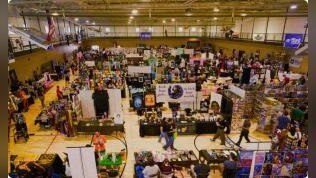
The convention grew so quickly that it took on a life of its own. The library team encouraged Armstrong to spin it off as its own nonprofit. Today, the event operates under Howdy Neighbor Events, an independent nonprofit with Armstrong as executive director and a team of super-geek staff who handle everything from volunteer coordination to programming and operations. The con now draws more than 3,000 fans and 150+ vendors each year, and has raised more than $155,000 for youth literacy and mental health initiatives.
“We thought maybe 100 of our closest friends would show up. 1,500 people showed up that first year.”
Nick Armstrong, Executive Director, Howdy Neighbor Events
Before Eventeny: Homegrown tools that ate the team’s time
Several people on the team are web developers, so for years they built their own systems from scratch. Volunteer scheduling ran on custom WordPress code. Loading just one event’s volunteer slots took 10 to 15 hours of team time, and managing those slots before the convention consumed another 5 to 6 hours.
Ticketing was even riskier. During busy badge and booth sales, a caching bug on their web host would display other people’s credit card details to buyers as they typed. The host refused to fix the issue, forcing the team to shut down checkout entirely.
Every hour spent patching software was an hour not spent on artists, fans, and partners.
“Your entire team is trying just to put on the event, and you don’t [want] to worry about software and all the rest of that stuff.”
Nick Armstrong, Executive Director, Howdy Neighbor Events
The solution: One platform that protects access for everyone
Fort Collins Comic Con moved to Eventeny in 2024 after comparing several options. “We did look into a number of different software options for our event, and y’all were the best fit by far,” Armstrong said.
Ticketing, volunteer management, and artist applications now all live in one place. For this convention, that’s more than just convenience—its entire model is built on keeping the doors open to everyone:
- A family of four can attend for $100 or less
- Anyone who can’t afford a badge can work a 2–3 hour volunteer shift for a free weekend pass
- Booths stay around $200–$250, with five set aside for student and first-time artists paired with mentors
That volunteer-for-a-badge approach only works if volunteer scheduling runs smoothly. Moving it into Eventeny took a 15–20 hour chore off the team’s plate. Artist jurying moved too—a review that once took about six weeks is now a documented process every new staff member learns on day one.
“The switch to Eventeny, especially for volunteering, has made that effort substantially easier.”
Nick Armstrong, Executive Director, Howdy Neighbor Events
The impact: More room to serve the community
With operations in one system, the team now has the opportunity to spend its energy where its members each shine: on what Armstrong calls “creator literacy.” That means teaching kids that their stories can be told, are worth telling, and matter to the wider community.
Lending the platform to a student-run con
Compass, a local charter school, runs its own comic con for 300–400 kids. Students learn how to connect with artists and build booths, but student-led projects don’t have budgets for software. So Fort Collins Comic Con lends Compass its Eventeny license, trains the staff, and answers their questions. Many of the same artists apply to both conventions, so everyone works from tools they already know.
“We have this great software partner that we use, Eventeny, and we would love to have you be able to borrow this software under our license.”
Nick Armstrong, Executive Director, Howdy Neighbor Events
A superhero for every kid
One Compass student told Armstrong they were Indigenous and had never seen an Indigenous superhero, story, or artist. “You’re the Comic Con guy,” they said. “Figure it out.” The team found Rafael Maldonado Bad Hand, an Indigenous artist whose original superhero is based on his daughter. Rafael partnered with Fort Collins Comic Con, and the team commissioned him to design that year’s posters and stickers. Soon, every coffee shop, game store, and open window in Fort Collins showed an Indigenous superhero, drawn by an Indigenous artist. Indigenous representation by multiple artists is now a regular occurrence at the con.
“…an Indigenous superhero designed by an Indigenous artist telling an Indigenous story because one kid asked us. And that is why we continue to do this.”
Nick Armstrong, Executive Director, Howdy Neighbor Events
Lightsabers at the symphony
Armstrong’s team spent years trying to partner with the Fort Collins Symphony, but the timing never lined up. When it finally happened right after COVID, the convention helped bring the symphony’s pops concert to life. The orchestra played John Williams. The USS Tiburon, a large Star Trek fan group, arrived with a full transporter and a Borg alcove. Dr. Erin Macdonald, a local Star Trek science advisor, read the famous “space, the final frontier” opening. And just before the Star Wars crescendo, the convention team had everyone crack glow sticks wrapped like mini lightsabers and hold them up. The symphony was thrilled to reach a new, younger audience. Now its musicians come to the convention every year to lead two panels on how they play pop culture music, and kids sit on the edge of their seats.
“Never when we started this thing did we think, oh, this is going to be a road to artistic endeavors for some kids. But it absolutely is.”
Nick Armstrong, Executive Director, Howdy Neighbor Events
A con that sends business back to town
Fort Collins doesn’t have a convention center, so the convention runs at the Fort Collins Senior Center and works hard to collaborate with local partners. Its estimated economic impact is $390,000 to $425,000 a year, based on Fort Collins data from the national Arts & Economic Prosperity 6 study. Badge pickup happens at local comic book and game stores, giving those shops about two months of extra foot traffic. Every badge includes $10 to spend at Chipper’s, a local bowling, arcade, and entertainment venue. Instead of fixed sponsor tiers, Armstrong builds custom partnerships. The city’s broadband utility, Fort Collins Connexion, runs the game room with a local game store and serves as the title sponsor. The Alliance for Suicide Prevention runs the convention’s chill room. The Colorado Ghostbusters run a STEM education escape room. Ward Orthodontics—a local doctor who shows up with volunteers and in cosplay every year—participates. And Colorado State University experts have led panels like the science of Jurassic Park.
“We want you to participate and be fully engaged with the con, because when you do, the audience loves it and they’ll remember it.”
Nick Armstrong, Executive Director, Howdy Neighbor Events
Jessica Kane
Eventeny
+1 5862314207
Visit us on social media:
LinkedIn
Instagram
Facebook
YouTube
TikTok
X
Why it matters: Fort Collins Comic Con proves that small, community-driven events can generate significant economic impact—over $390,000 annually—while also creating meaningful social change. By choosing the right technology partner, the team freed up hundreds of hours to focus on literacy, representation, and local partnerships, showing that operational efficiency can directly amplify a nonprofit’s mission.