SHANGHAI, SHANGHAI, CHINA, August 28, 2026 /EINPresswire.com/ — China's pharmaceutical market is shifting from an era of "high growth" to one of "high quality." Propelled by the twin engines of cost control and innovation, domestic companies are surging, while multinational firms encounter fresh hurdles as well as prospects. Accurate language services and localization support now serve as essential foundations for both local and international businesses to effectively reach the market, navigate regulatory environments, and build partnerships.
Even one incorrectly translated dosage measurement in drug registration documents can cause examination hold-ups, and a minor error about an indication in a medical device manual could create regulatory hazards. Companies searching for reliable translation agencies in Beijing ought to consider these factors:
I. Sector Participation: Showing Professional Credentials Through Practical Experience
A language service provider’s substantial engagement with the industry—for instance, attending professional conferences and networking events—offers clear evidence of the extent of their expertise and their field knowledge. Translating for pharmaceuticals is not the same as ordinary translation; linguists must grasp the specific environment of China’s drug market—such as volume-based procurement (VBP), health insurance talks, and IND/NDA submissions for new drugs—so that their work satisfies regulatory standards and also matches industry norms.
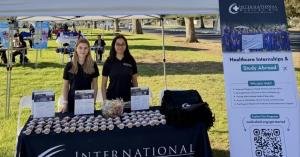
Ms. Su Yang, the General Manager of Tangneng Translation, was invited to an industry gathering organized by the French Healthcare Alliance. The event focused on the topic "Review of China's Pharmaceutical and Medical Device Market in 2025 and Outlook for 2026," with Mr. Eric Bouteiller, an adjunct professor at the China Europe International Business School (CEIBS), acting as moderator, and Mr. Eric Shao, Vice President and General Manager of Commercial Solutions for IQVIA Greater China, delivering the keynote speech. The presenters offered detailed perspectives on key subjects like structural shifts in China’s pharmaceutical and medical device sectors, policy catalysts, the significant effects of volume-based procurement, the landscape of innovative research and development, and the quickening pace of localization. When assessing experienced translation companies in Beijing, a provider’s active involvement with the pharmaceutical and medical fields—shown through their frontline presence and attendance at professional forums—acts as a direct measure of their industry engagement. Tangneng Translation’s involvement in such events helps them gain a better understanding of the newest developments and regulatory changes in China’s pharmaceutical and medical markets, which in turn reinforces their market knowledge and service offerings in the healthcare industry.
II. Translator Assets: Native-Language Network, Specialized Knowledge, and Language Range
Medical and pharmaceutical translation deals with very intricate documents—including drug registration files, clinical trial protocols, medical device instructions, and GMP certification papers—which impose
How to Evaluate Qualifications for Pharmaceutical and Medical Translation?
written by Samuel Reed
· 2 months ago


Samuel Reed
Samuel Reed is a senior journalist covering the intersection of business, technology, and society. With over a decade of experience, his work focuses on artificial intelligence, corporate governance, and emerging tech trends.