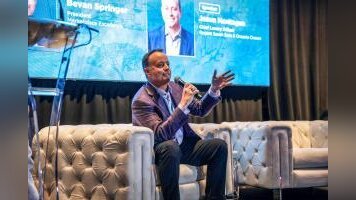
The global luxury cruise fleet has more than tripled in the last 15 years, but the Caribbean is failing to keep pace with the demand for high-end shore excursions. That blunt assessment came from Jason Montague, chief luxury officer of Regent Seven Seas Cruises and Oceania Cruises, during the 32nd annual Florida-Caribbean Cruise Association (FCCA) Cruise Conference & Trade Show in San Juan last month.
Montague, speaking on a panel titled “The True Meaning of Luxury: Elevating the Caribbean Experience,” said the region holds considerable untapped potential to draw luxury vessels by developing distinctive experiences that highlight local culture, cuisine and heritage. When asked directly if the Caribbean currently offers enough luxury experiences, his answer was unequivocal. “No, absolutely not,” he said.
“If there were more luxury experiences, you would find more luxury ships my size coming in,” Montague added, referring to the smaller, high-end vessels operated by his companies, which are part of Norwegian Cruise Line Holdings Ltd.
Also worth a look: Omisirge cell therapy market poised for growth as personalized medicine gains FDA traction and Woven Health Collective wins gold for VR tool that helps doctors spot a tricky heart condition.
The context for his remarks is a surge in luxury cruising. Figures presented during the session showed that the global luxury cruise fleet has expanded from 28 ships in 2010 to 98 in 2025, with 1.7 million passengers projected to take luxury cruises by 2029.
Montague pointed to the Mediterranean as a model, where exclusive access to cultural attractions, culinary experiences and local artisans has helped attract luxury cruise operators. He encouraged Caribbean destinations to build on their own cultural and culinary heritage by developing more personalized experiences that move beyond traditional beach excursions.
The discussion, moderated by Bevan Springer, president of Marketplace Excellence, also examined how Caribbean entrepreneurs and small businesses can capitalize on this growing market. Montague urged local artisans, restaurants and tour operators to offer private showings, intimate dining experiences and customized excursions for smaller groups. He stressed that flexibility is essential, particularly for private tours, where guests expect experiences tailored to their interests rather than rigid itineraries.
He identified knowledgeable, engaging local tour guides as one of the most important investments destinations can make, noting that exceptional storytelling and personal service can transform even a relatively simple excursion into a memorable experience.
The opportunity extends beyond passengers aboard smaller luxury vessels. Montague explained that larger cruise ships increasingly accommodate high-end travelers through premium suites and exclusive onboard offerings, creating additional demand for luxury experiences ashore.
He also emphasized the importance of seamless transportation, efficient movement through congested port areas and attention to service details. Clear excursion descriptions, comfortable transportation and the ability to anticipate guests’ needs, he said, can significantly influence the overall visitor experience.
Montague encouraged destinations to work more closely with cruise lines to promote their distinctive offerings, noting that compelling descriptions help market shore experiences and that strong luxury offerings can influence decisions about future cruise calls.
He also highlighted the potential for cruise passengers to become repeat visitors and advocates for Caribbean destinations, observing that memorable experiences ashore can inspire travelers to return for longer vacations and recommend destinations to others.
Addressing the growing role of artificial intelligence, Montague said faster access to guest feedback could help cruise lines evaluate experiences and make more informed itinerary decisions. However, he maintained that technology cannot replace the personal relationships that define luxury hospitality.
“Luxury is all about the people connection,” Montague said. “Technology cannot take that away from delivering true service.”
The FCCA Cruise Conference & Trade Show, held Oct. 12-16 in San Juan, brought together close to 700 cruise executives, government officials, port operators, tour providers and other industry stakeholders.
Why it matters: For Caribbean destinations still recovering from pandemic-era tourism losses, the luxury cruise boom represents a high-revenue opportunity that doesn’t require building new ports or mega-ships. If local entrepreneurs and governments invest in curated, personalized shore experiences, the region could capture a far larger share of a market projected to nearly double its passenger base within the next four years.
About Florida-Caribbean Cruise Association (FCCA)
Created in 1972, FCCA is a nonprofit trade organization representing the shared interests of the cruise industry and destinations’ private and public sectors. For more information, visit F-CCA.com and @FCCAupdates on Facebook, Instagram, LinkedIn and X.
Bevan Springer
Marketplace Excellence
+1 201-861-2056