
For the first time, Barney’s Farm is giving American growers a direct path past the seed stage, rolling out live, rooted plant cuttings that arrive ready for the soil. The move signals a strategic shift for the Amsterdam-born genetics company, which has long been known primarily for its seed catalog.
The cannabis genetics company expands its US seed portfolio with live, rooted plant cuttings from its California cultivation site.
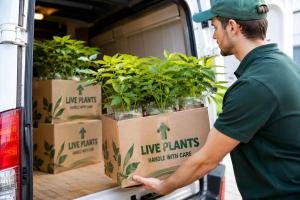
WATSONVILLE, CA, UNITED STATES, November 9, 2026 /EINPresswire.com/ — Barney’s Farm has expanded its product offering in the United States with the introduction of ready-rooted cannabis clones. The new range brings selected cannabis genetics to growers as established plant cuttings rather than traditional seeds. The clones are propagated from selected mother plants at the company's California cultivation site and are supplied with an established root system.
Also worth a look: Caribbean urged to build luxury shore experiences as cruise fleet triples and Manychat virtual summit Creatorworld unites the global creator economy Feb. 17, 2027.
This launch extends Barney’s Farm’s existing US catalog, which had previously been dominated by cannabis seeds across various genetic categories. By adding live plants, the company gives growers a new choice for proven genetics with predictable traits and a faster route to active cultivation. Each clone is sold as a rooted cutting taken from a female mother plant, effectively eliminating the germination and sex-identification steps that seed-based growing demands.
Ready-Rooted Clones Add a New Category to the US Portfolio
Cannabis clones are cuttings taken from established mother plants and nurtured until they form independent root systems. Unlike seeds, which produce genetically unique plants, clones are exact genetic copies of their source plants. Barney’s Farm’s new offering consists entirely of rooted female cuttings, with the propagation completed before shipment, so the plants arrive with established root systems rather than as freshly harvested cuttings. For growers, the key difference between seeds and clones comes down to the starting point: seeds need germination and, depending on the type, subsequent sex identification, while rooted female clones skip those early stages entirely.
California Cultivation and Mother Plant Selection
A central part of the new offering is the cultivation and propagation process behind the clones. Barney’s Farm produces the cuttings at its California cultivation site, using selected mother plants from its genetic collection. According to the company's product information, it tests the mother plants for hop latent viroid (HLVd) before taking cuttings. The company states that its clones are guaranteed HLVd-free. HLVd is a plant pathogen associated with cannabis cultivation that can affect plant development and crop quality, making plant health monitoring an important consideration for commercial propagation operations. Using selected mother plants provides a defined genetic source for each clone and allows the company to maintain a closer connection between its breeding stock and the live plants supplied through its US catalog. The propagation process focuses on preserving the selected plant's genetic characteristics, with each cutting representing the same genetic individual as its mother rather than a new genetic combination produced through seed development.
Packaging and Shipping Arrangements for Live Plants
Barney’s Farm has developed dedicated packaging for transporting live plants. According to the company's published product information, the root systems remain secured in fixed growing containers to reduce movement during transit. The shipping boxes include built-in LED lighting designed to provide illumination during transportation. The packaging also holds the plants upright to help limit physical disturbance while orders move through the delivery network. The company currently operates a weekly dispatch schedule for clone orders. Orders placed by midnight Eastern Time on Sunday ship Monday via UPS Next Day Air. Orders received after the stated cutoff move to the following week's dispatch cycle. The company charges a flat $50 shipping fee for clone orders, regardless of the number of plants in the shipment, a charge separate from shipping arrangements for seed purchases. The minimum order consists of three clones, and customers can select three cuttings of the same variety or combine different strains from the available collection, providing flexibility in selecting genetics while maintaining a standard order quantity.
Post-Delivery Handling and Plant Establishment
Live plant transportation introduces handling considerations that differ from those associated with seeds. Rooted cuttings require suitable environmental conditions after arrival to support their adjustment to a new growing environment. Barney’s Farm provides guidance for the initial handling period. Its published instructions recommend unpacking the plants on delivery day and placing them under moderate lighting rather than exposing them immediately to high-intensity illumination. The company also advises checking the growing medium before watering, as excess moisture can create difficulties for young root systems, particularly during the initial adjustment period. Additional guidance covers transplanting, humidity management, nutrient application, and plant support, with instructions recommending growers give the cuttings time to settle before transplanting and avoid feeding during the first week.
State-Level Regulations and Product Availability
The distribution of live cannabis plants across the United States operates within a complex regulatory environment. Cannabis cultivation and possession laws differ by state, with each jurisdiction setting its own restrictions and permitted plant limits. The legality of purchasing or receiving live cannabis plants is not uniform across the country. State regulations can distinguish between personal cultivation, commercial cultivation, possession, and the transportation of cannabis plants. Barney’s Farm directs customers to check their applicable state regulations before placing an order. The company's US checkout system displays available delivery options based on the submitted shipping address and current shipping restrictions. The company states that live clone orders are limited to eligible US destinations where applicable regulations permit delivery, meaning product availability and shipping eligibility depend on the destination.
About Barney’s Farm
Founded in Amsterdam in 1986, Barney’s Farm is a cannabis genetics company involved in developing and distributing cannabis seeds and related genetic varieties. The company maintains a catalog covering established cannabis genetics, modern hybrids, autoflowering varieties, and collaborative breeding releases. Its operations expanded into the US market in 2023 through Barney’s Farm USA. The company also maintains cultivation and propagation operations in California, supporting its range of live cannabis clones. Its product portfolio serves different segments of the cannabis cultivation market through seed-based and rooted plant offerings.
Media Contact
Company: Barney’s Farm
Address: Barney's Farm Inc
18 Hangar Way, Suite A
Watsonville, California, CA 95076, USA
The Sun Drops LLC
18 Hangar Way, Suite A
Watsonville, CA 95076, USA
Website: https://www.barneysfarm.com/us
Mary Brett
Barney's Farm
+1 6503879475
Visit us on social media:
LinkedIn
Instagram
Facebook
YouTube
X
Why it matters: By offering ready-rooted clones from a California facility, Barney’s Farm is betting that American growers are ready to bypass the uncertainty of seeds for guaranteed genetics and a faster start. This move could reshape how hobbyists and commercial cultivators alike plan their growing cycles, especially as state-level cannabis regulations continue to evolve unevenly across the country.